Opens in a new tab

Morris Minor

Project Information

Vehicle Details

Project Ref:

077

Make:

Morris Minor

Model:

Traveller

Project Description:

Overview

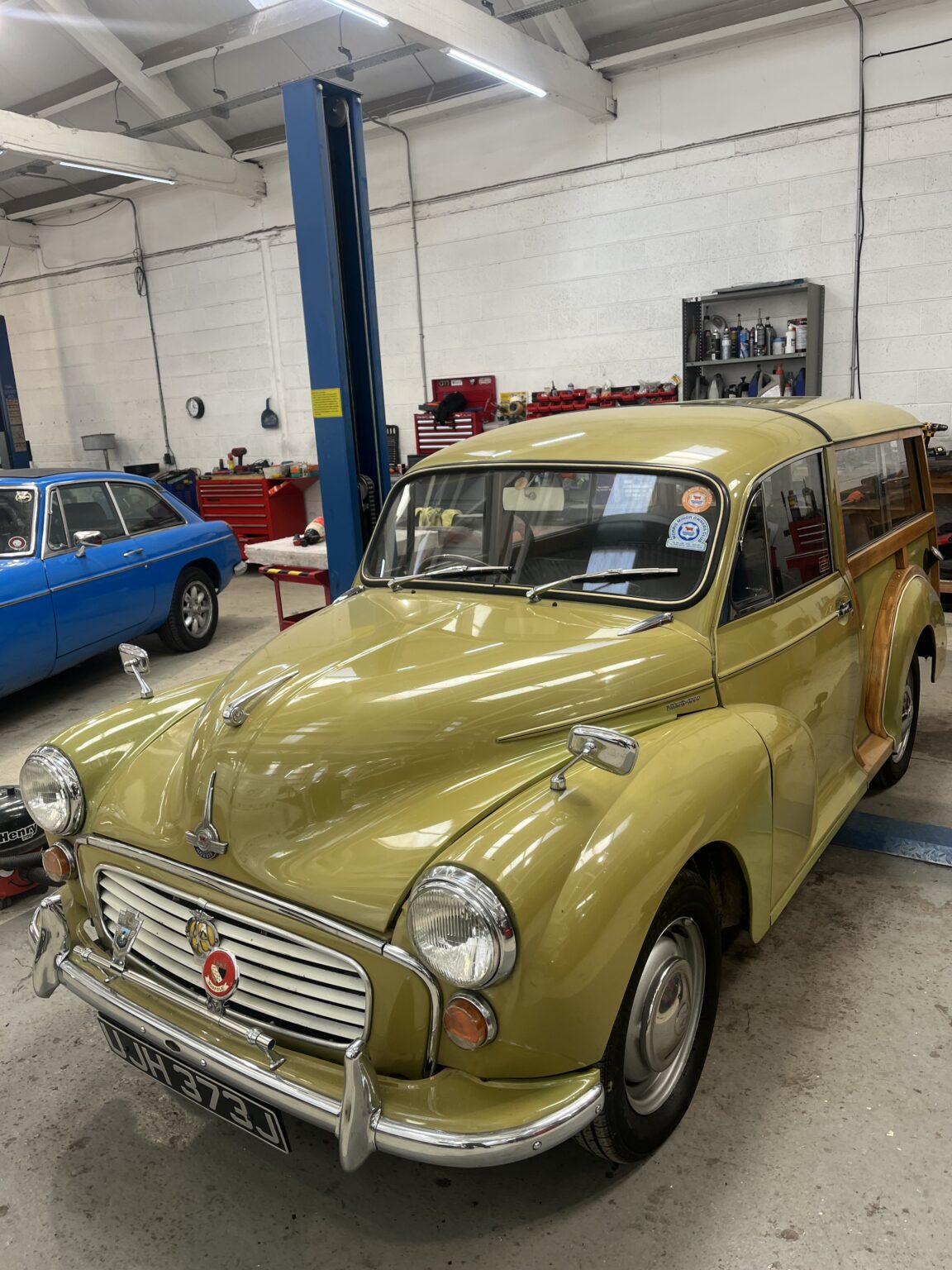
  • Make & Model: Morris Minor Traveller

  • Production Years: 1953–1971

  • Manufacturer: Morris Motors Limited, later part of the British Motor Corporation (BMC)

  • Type: Estate car / station wagon version of the Morris Minor


Design & Features

  • Body Style:

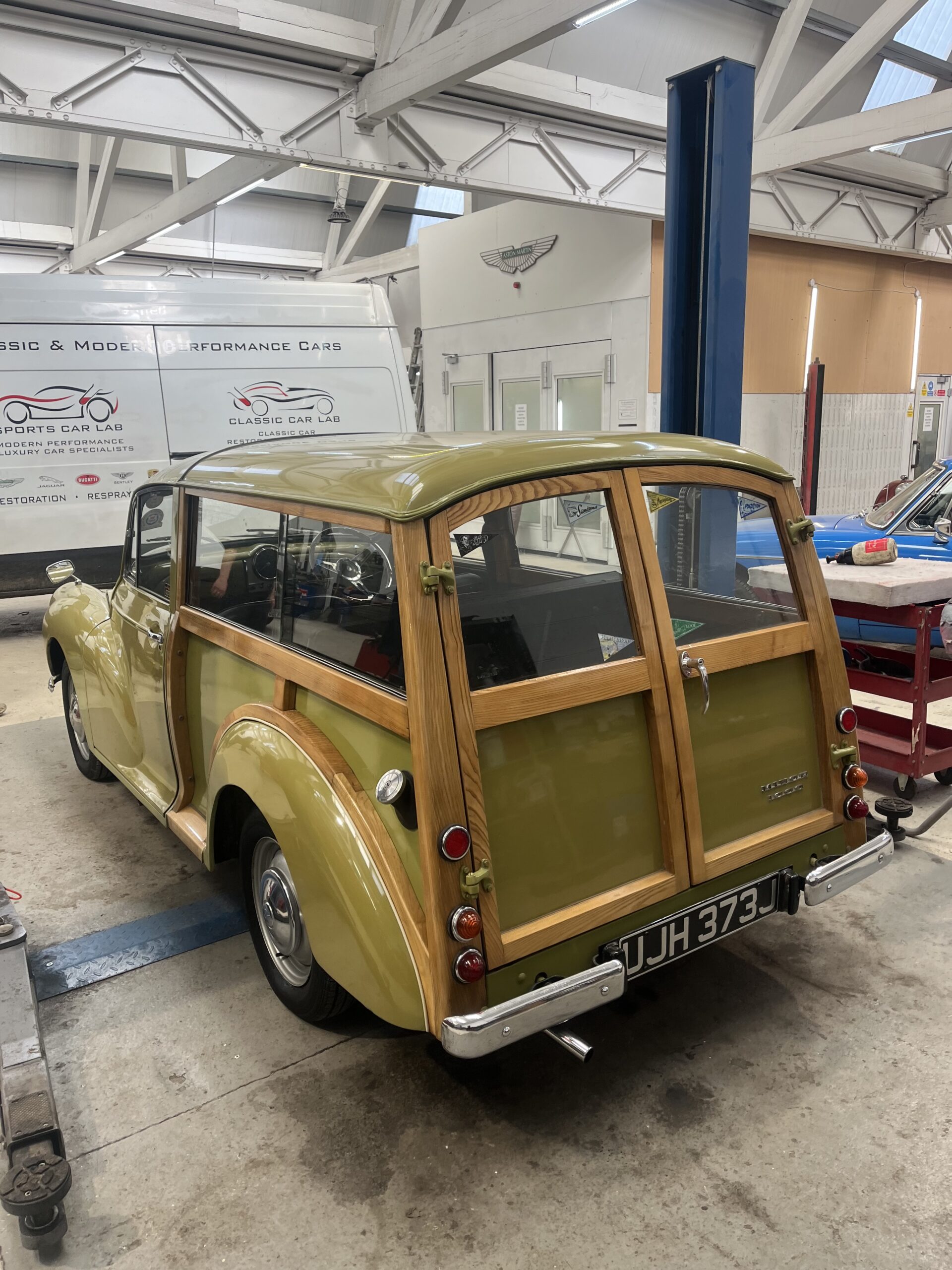
    • It is most recognisable for its distinctive wood-framed rear bodywork, a mix of steel and ash wood that gave it a vintage, rustic charm.

    • The wooden framework is structural, not just decorative.

  • Interior:

    • Simple, functional design with seating for four to five passengers.

    • The rear compartment offers a generous load area, making it popular with families and small businesses.

  • Engine:

    • Early versions had a 918cc engine, while later models (from 1956) were upgraded to the more capable 948cc and eventually the 1098cc A-series engine.

    • Known for modest but reliable performance.

  • Transmission:

    • 4-speed manual gearbox.

  • Suspension:

    • Independent front suspension and leaf-spring rear—comfortable for its time.


Cultural & Collectible Status

  • Legacy:

    • The Traveller became a quintessentially British car, especially favored in the countryside.

    • Known for durability, ease of repair, and charm.

  • Collectibility:

    • Highly sought after by classic car collectors and restoration enthusiasts.

    • Parts availability remains relatively good due to a strong enthusiast network.

  • Quirks:

    • Regular maintenance of the wooden frame is essential to prevent rot.

    • Some owners opt to replace the ash framework with synthetic alternatives, though purists often restore the original.


Fun Fact

  • The wood for the frames was typically sourced from sustainably managed forests, and each frame was hand-assembled, giving each Traveller a slightly unique appearance.


Would you like information on restoration tips, market values, or parts availability for the Morris Minor Traveller?
 

4o
You said:
restoration tips and what to look out for when servicing this car
ChatGPT said:

Restoring and servicing a Morris Minor Traveller can be a deeply rewarding experience, but it does come with some important considerations. Below are detailed restoration tips and a guide on key servicing concerns to keep your Traveller in excellent condition.


🔧 Restoration Tips

1. Inspect the Wooden Frame Thoroughly

  • The ash wood frame at the rear is both aesthetic and structural, so:

    • Look for rot, especially around joints, where moisture accumulates.

    • Pay attention to the lower side rails and rear pillars—these are most prone to decay.

    • If wood is spongy or discolored, it likely needs replacing.

    • Avoid short-term fixes like filler—use properly treated ash for authenticity.

2. Check for Chassis & Floor Pan Corrosion

  • Common rot spots include:

    • Sills (inner and outer)

    • Front crossmember and spring hangers

    • Rear chassis legs and floor pans

  • Use a hammer or probe to check metal integrity—watch for flaking or “crunching” sounds.

3. Body Panel Condition

  • The body panels were well made, but decades of use can cause:

    • Dents, filler patches, or poor welding

    • Ensure the door fit is even, especially on Travellers, since misalignment may indicate a warped frame.

4. Mechanical Restoration

  • The A-Series engine is reliable and parts are plentiful.

    • Rebuilds are relatively simple and inexpensive.

    • Replace core items: timing chain, water pump, and gaskets.

5. Brakes & Suspension

  • Upgrade to dual-circuit braking or front disc brakes if you plan on regular driving.

  • Check kingpins, trunnions, and bushings—wear here affects handling and safety.

  • Ensure rear leaf springs are not sagging or cracked.

6. Interior & Electrical

  • Originality counts with interiors:

    • Original seats and door cards are valuable; repair rather than replace if possible.

    • The electrical system is basic (often positive earth), so check:

      • Fuse box corrosion

      • Lucas components like dynamo and voltage regulator

      • Consider upgrading to an alternator and 12V negative earth system for reliability.


🛠️ Servicing Tips – What to Look Out For

🔩 Wood Maintenance

  • Clean and treat the wood regularly with wood preservatives (e.g., Cuprinol).

  • Re-varnish every few years using marine-grade varnish for weather resistance.

  • Look for signs of movement or cracks—tighten frame bolts but avoid overtightening.

🧰 Engine & Gearbox

  • Use 20W50 classic oil, and change every 3,000 miles or annually.

  • Check for:

    • Oil leaks around the timing cover and rear crank seal.

    • Smoking on start-up (may indicate valve stem wear).

    • Smooth gear changes—synchromesh can wear in 2nd gear.

🌀 Cooling System

  • Radiators can clog internally. Ensure good flow and consider fitting a modern electric fan.

  • Check hoses for perishing and renew the thermostat routinely.

⚙️ Brakes & Suspension

  • Bleed brakes regularly, especially if the car sits unused.

  • Lubricate kingpins every 1,000 miles—a neglected step that leads to early failure.

  • Grease all chassis nipples and inspect suspension rubbers for cracks.

💡 Electrical & Lights

  • Ensure all grounds are clean—electrical gremlins are often due to corrosion.

  • Replace any cotton-covered wiring with modern equivalents for safety.

  • Add fuses to unprotected circuits if not already done.


🔍 Final Word

Owning and maintaining a Morris Minor Traveller is all about routine care and attention to detail. Parts are generally affordable and well supported by clubs like the Morris Minor Owners Club (MMOC). It’s one of the few classic cars that can be both a restoration project and a dependable daily driver if looked after.

Project Gallery