Top 10 classic / near-classic RHD / RHD-adaptable candidates for investment in the UK

Project Information
Project Description:
Top 10 classic / near-classic RHD / RHD-adaptable candidates for investment in the UK
Below is a ranked (though flexible) list of 10 models (or model families) that I believe have good upside and strong rationale in the UK / RHD context. I try to cover a range of budgets / eras.
| Rank | Model(s) | Why interesting (in UK / RHD context) | Risks / caveats |
|---|---|---|---|
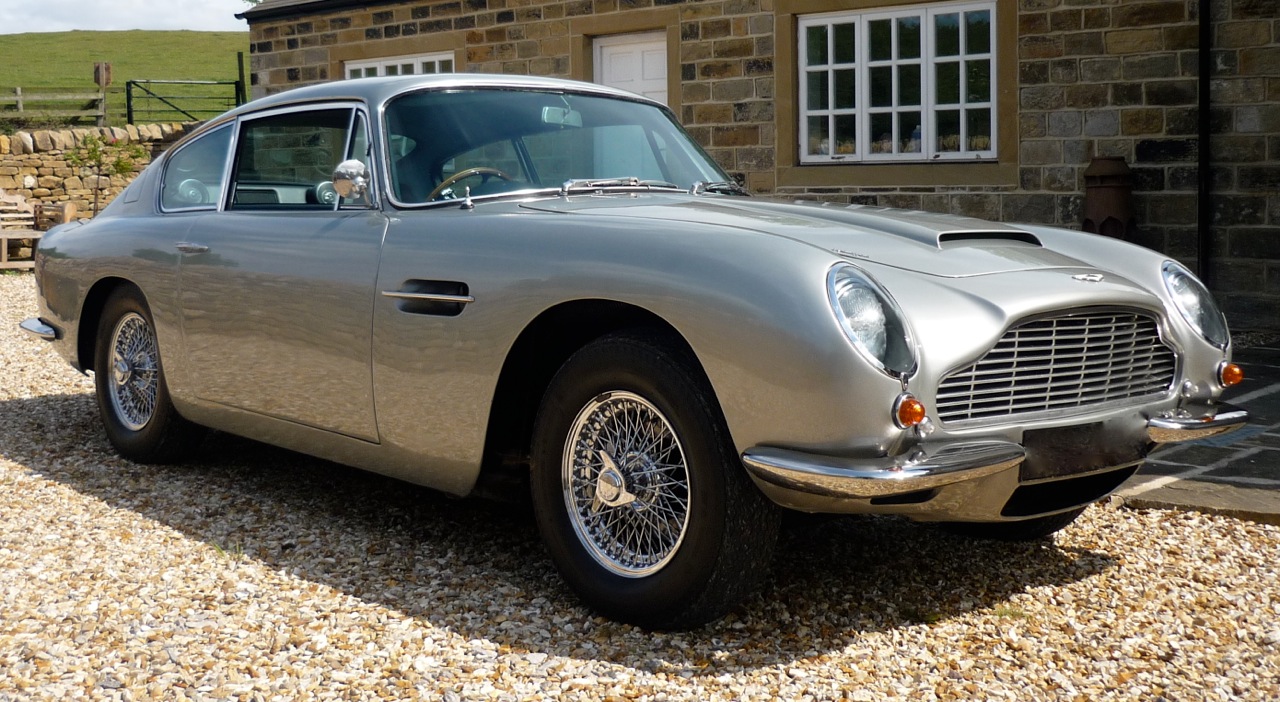
| 1 | Aston Martin DB4 / DB5 | These are marquee British GTs with immense allure. There is always demand for genuine RHD examples, especially with strong provenance. DB5 is especially famous (James Bond connection). | Very expensive to buy and to maintain. Major restoration costs. Rarity means long sales cycles. You must verify originality. |
| 2 | Jaguar E-Type (Series 1 / 2 / early) | A British icon. Many RHD examples were produced for the UK, so the supply is there. Parts, knowledge, and enthusiasm are strong. | The very top examples are already extremely expensive. Beware of overrestored or mismatched cars. Mechanical complexity for some variants (e.g. V12). |
| 3 | Porsche 911 (classic / early air-cooled era, e.g. 964, 993, 930) | Porsche 911s are global icons and carry massive enthusiast followings. There are many RHD versions (especially later ones) or models that have been officially converted. | Some variants are extremely costly. Import / conversion from LHD has overheads. You must pick desirable variants (limited, lightweight, RSR / RS, etc.). |
| 4 | Lotus Elan (1960s / early models) | A “cult” British classic with relatively simple mechanics, lots of parts support, and a strong enthusiast community. Many RHD examples exist. Wikipedia | The lower price tier makes big percentage gains easier, but absolute returns may be modest. Some models are fragile (chassis, suspension). |
| 5 | Austin-Healey 3000 (“Big Healey”) | A traditional British roadster with good following. It was included in Hagerty’s “Bull Market List” picks for the UK in a recent year. Bridge Classic Cars+2Hagerty UK+2 | Many have been over-modified; you must find well-restored, correctly spec’d cars. Rust is always a major issue. |
| 6 | Ferrari F355 / F360 / 1990s “modern classic” Ferraris | These are increasingly seen as modern collectibles. Some RHD versions exist, especially in UK/European markets. They offer performance, style, and status. | Running and maintenance costs are high (engine, ancillaries). Parts and specialist labor are expensive. Avoid heavily modified ones. |
| 7 | Subaru Impreza P1 (2000/2001, limited UK special edition) | On the 2025 Hagerty UK “Bull Market” list. It has rally heritage, limited numbers, and strong demand from performance car enthusiasts. classictrade.co.uk+4Hagerty UK+4bicestermotion.com+4 | It’s less “classic” in the traditional sense, so long-term is more speculative. Also, fewer specialist resources vs. older classics. |
| 8 | Alfa Romeo 147 GTA / 156 GTA | Also on Hagerty’s 2025 UK list. These are “modern classics” with a performance edge, and RHD versions exist for UK market. Octane Magazine+2bicestermotion.com+2 | Again, running costs, parts, and condition variability are risks. Enthusiast interest must grow for the upside to materialize. |
| 9 | Rolls-Royce Silver Shadow II / classic Rolls models | There is always prestige in owning a classic Rolls, and many RHD examples exist (being British). On Hagerty’s list for 2025. Hagerty UK+1 | Very heavy, complex, and expensive to maintain. Not for the faint-hearted. Value gains are likely more modest and slower. |
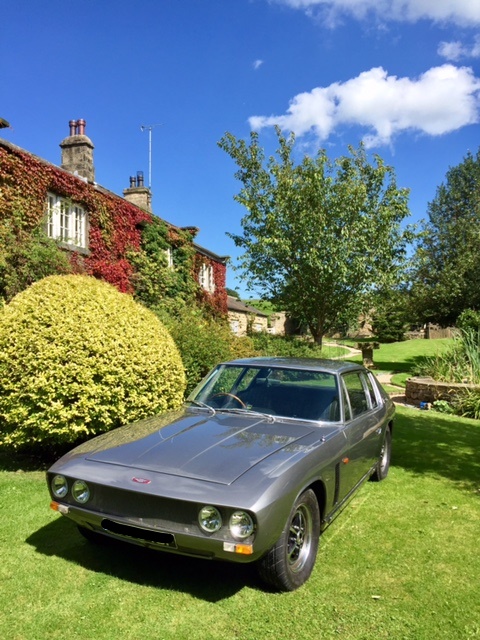
| 10 | Classic British sports / GTs and hidden gems (e.g. TVR, Jensen, smaller British marques) | These offer high upside (if they survive) and many were produced in RHD (or can be converted). Because fewer people choke on the risk, you may find bargains. | Very niche — greater risk of parts unavailability, specialist knowledge gap, lower liquidity. You must pick wisely. |
Some additional observations & tips
-
“Bull Market” lists & trend forecasting
Insurers / valuation specialists like Hagerty publish “Bull Market” lists indicating models they believe have value upside. For the UK 2025 list, the selected cars cover a mix of traditional classics and modern classics.Hagerty UK+2bicestermotion.com+2 While these lists are not guarantees, they’re a good guide to what the market is watching. -
Modern-classic move
There is increasing enthusiasm for cars from the 1980s, 1990s and early 2000s — these bridge the gap between tolerable reliability and collector appeal. Models like the Impreza P1 or 147 GTA show that this segment is gaining momentum. -
Importing / converting LHD → RHD
For a car that is otherwise perfect but is LHD, conversion is possible — but only advisable if the potential premium (or rarity) justifies the cost and risk. -
Liquidity & exit strategy
Always think about how easy it will be to resell. A car that’s too niche or obscure may be hard to exit. Cars with strong communities / clubs / heritage attract more buyers. -
Documentation / originality matters
The more original, better documented, and better maintained, the safer the investment. Avoid heavily “customised” cars unless the modifications are sympathetic and reversible. -
Insurance, taxes & regulation changes
These can shift the classic car landscape. Keep aware of changes in emissions law, classic import rules, historic vehicle taxation, and insurance policy changes.£50k and under
-
Jaguar XJS (early V12 or later Celebration models) – undervalued GT with Jaguar heritage.
-
Lotus Elan (1960s, early S1–S4) – lightweight British icon, lots of club support.
-
Austin-Healey 3000 – classic British roadster, still strong value under £50k.
-
Subaru Impreza P1 (2000/01 UK special edition) – rally pedigree, limited numbers, RHD only.
-
Alfa Romeo 147 GTA / 156 GTA – modern classic hot hatch/saloon, rare in RHD.
-
TVR Chimaera / Griffith (1990s) – British brute force, big V8, RHD native.
-
Triumph TR6 – accessible, usable, with good spares supply.
-
MGB GT V8 (factory cars, not conversions) – rising interest, limited production RHD.
-
Mazda MX-5 Mk1 (low-mile, special editions) – increasingly collectible, RHD plentiful.
-
Mercedes-Benz R107 SL (1970s–80s) – solid, usable classic with rising interest.
£100k and over
-
Aston Martin DB5 / DB4 – ultimate British GT, Bond connection, RHD gold standard.
-
Jaguar E-Type Series 1 (3.8/4.2 Roadster or Coupe) – iconic design, UK demand for RHD.
-
Porsche 911 (classic air-cooled 964 RS, 993, or early 930 Turbo) – collector staples, RHD premium.
-
Ferrari F355 Berlinetta / Spider (manual) – modern Ferrari darling, UK RHD cars prized.
-
Rolls-Royce Silver Cloud III – timeless luxury, RHD majority, traditional collector appeal.
-
Bentley Continental R (1990s) – handmade British GT, limited production.
-
Mercedes-Benz 300SL “Gullwing” / Roadster (RHD extremely rare) – ultra-collectible, global icon.
-
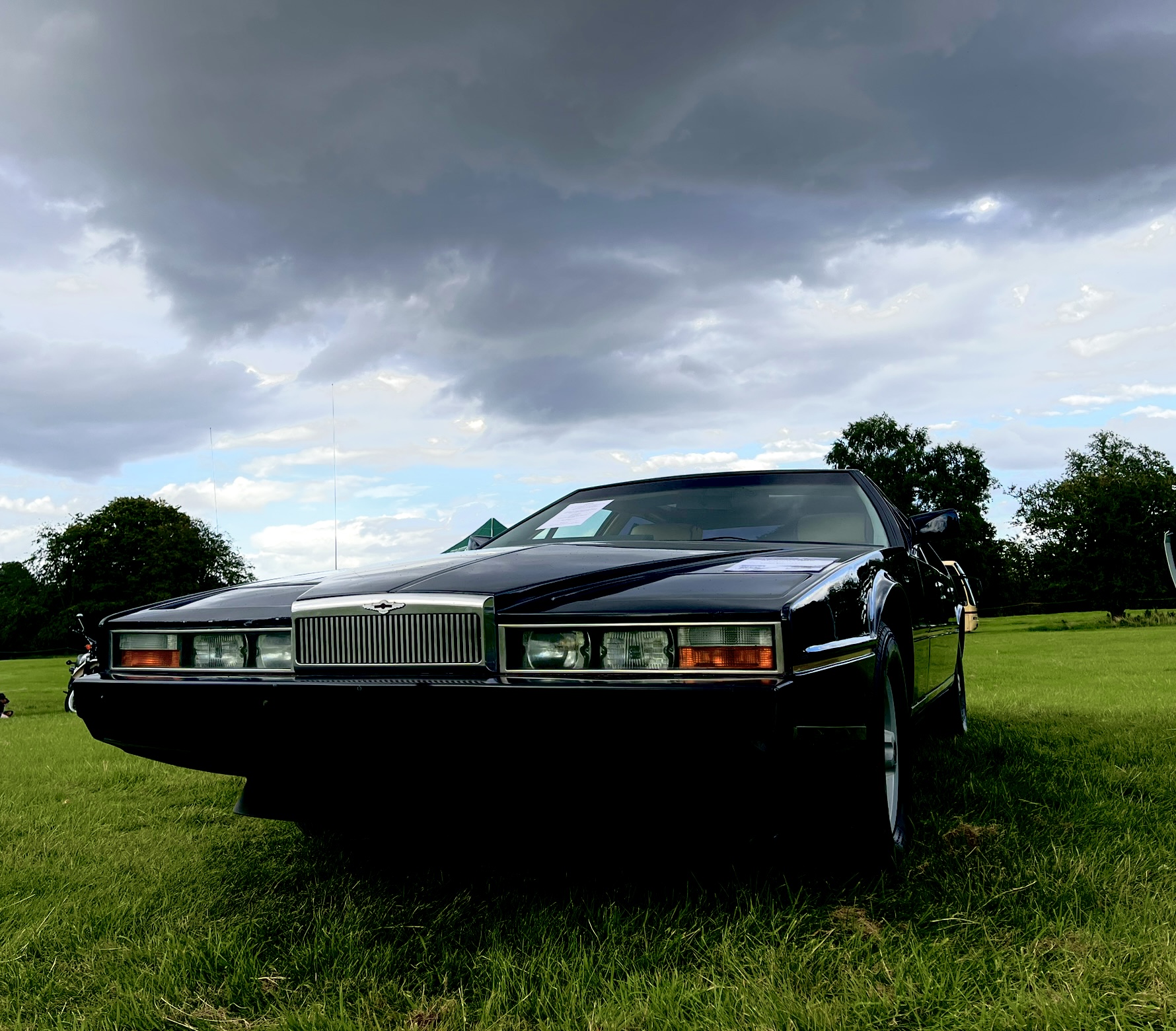
Aston Martin V8 Vantage (1970s/80s “British muscle” car) – rare, powerful, hand-built.
-
Ferrari 365 GTB/4 Daytona (RHD examples) – legendary front-engined Ferrari, UK RHD scarce.
-
Lamborghini Miura (RHD conversions exist, very rare originals) – design icon, top-end collector interest.
-
Why classic cars might look attractive in the current climate
Here are several arguments supporting the idea that people are turning to classics (or rethinking them) as an “alternative” asset or refuge:
-
Tangible assets in inflationary / volatile times
-
When currency loses purchasing power, assets that are physical and limited in supply can be perceived as having more “real” value. Classic cars, being finite in number and often with historical or heritage cachet, can serve as partial hedges. Wealthspire+2Old Cars Weekly+2
-
Some past analyses suggest that “certain antique and classic cars have been a good hedge against high inflation,” though that is not guaranteed. Old Cars Weekly
-
-
Desire for diversification & non-correlated assets
-
Investors often look to diversify away from stocks, bonds, or real estate in uncertain times. Classic cars (and collectible vehicles generally) are a “passion asset” that don’t always move in step with mainstream markets. Wealthspire+1
-
Some institutions and wealth managers are starting to treat high-end classics more like “alternative investment” classes. AInvest+1
-
-
Tax / regulation effects & luxury / status demand
-
In the UK, vehicles over 40 years old get historic vehicle tax exemption, and those same cars generally don’t need an MOT (if unmodified). Wikipedia
-
As governments raise taxes, extend regulatory burdens (e.g. emissions controls, congestion charges, ULEZ zones, etc.), owning something “historic” or exempt can become more attractive. Heritage Car Insurance+1
-
Some newer “modern classics” whose emissions or registrations fall just inside favourable categories may see increased demand. Classics World+1
-
-
Shifts in buyer demographics & taste
-
There’s evidence that younger collectors are entering the market, especially for “modern classics” (1980s–1990s). goodsongallery.com+2Heritage Car Insurance+2
-
The “Bull Market” lists published by Hagerty UK highlight cars they believe have upside in 2025, some of which are post-2000 or later models. Classics World+1
-
-
Market “correction” / timing window
-
After a strong run-up (especially during COVID and post-COVID, when people had spare money and restrictions), some parts of the classic car market are softening, creating potential entry points. Hagerty UK+2Heritage Car Insurance+2
-
Some commentators suggest that speculative capital (people chasing trends) may be cooling, which could sift out weaker speculative segments. Hagerty UK+2Classics World+2
-
Counterarguments / reasons to be cautious
While the pull toward classics is understandable, there are important risks and counterpoints:
-
Volatility & illiquidity
Classic cars are not as liquid as stocks or property. Selling at the “right” time depends on matching buyer tastes, condition, provenance, etc. -
Maintenance, storage, depreciation risk
Even “good” classics can require expensive upkeep. Unexpected mechanical, parts, or chassis problems can erode returns. -
Market correction / bubble risk
If much of the demand is speculation (rather than true enthusiast-driven), valuations might outpace fundamentals. Some cite a “coattail effect” (i.e. people chasing hype) in the collector market. Hagerty+1 -
Regulatory & environmental pressures
Even historic vehicles may face stricter regulation in the future (e.g. low-emission zones, especially for post-historic-age cars). -
Differentiation matters
Only certain models, in good condition, with strong provenance or rarity, are likely to appreciate. Mass-market or heavily modified examples may lag or fall. -
Index decline recently
Some classic car indices have declined in 2024, indicating cooling in the market. Hagerty UK
My view: yes — a modest movement, but selective & cautious
I believe we are in a phase where interest in classic cars as investment vehicles is again being reconsidered by a portion of capital — especially from those seeking alternatives in an uncertain macroeconomic environment. But I wouldn’t call it a full-blown “movement” across the board. It’s more a reshuffling of attention, favoring better-quality, rarer, better documented cars, and “modern classics” that hit favorable regulatory brackets.
-
-
Finally 10 future classics
Top 10 Future Classics (≤ ~£50,000)
-
Subaru Impreza P1 (2000 / 2001 UK special edition)
Rally heritage, limited numbers, strong enthusiast support. -
Alfa Romeo 147 GTA / 156 GTA
Performance versions of mass-market models; rarer in good condition. -
Audi TT Mk1 / TT RS (early 2000s)
Clean, sporty, and with increasing recognition as a “modern classic.” -
Ford Focus RS (especially early editions / limited runs)
Hot hatch performance pedigree, strong fan base. -
BMW 1 Series M Coupé (E82, limited numbers)
Compact, sporty, strong BMW “M” badge appeal. -
Porsche 924 / 944 (especially turbo / special editions)
One of the more affordable entries into the Porsche classic world. -
Mazda RX-7 (FD / late FC in good condition / lightly upgraded)
Rotary appeal, but careful about maintenance & parts. -
Toyota MR2 Turbo / MR-S (mid-engine, limited production, fun to drive)
Good candidate in the “modern classic” bracket if condition is right. -
Lotus Elise (Series 1 / “original” versions)
Light, driver’s car, good enthusiast following. -
Mercedes SLK / AMG variants (R170 / early R171 / later 2000s small roadsters)
Some special / AMG versions may hit sweet spots in desirability.